Citrus Leaf Miner and What to do About It
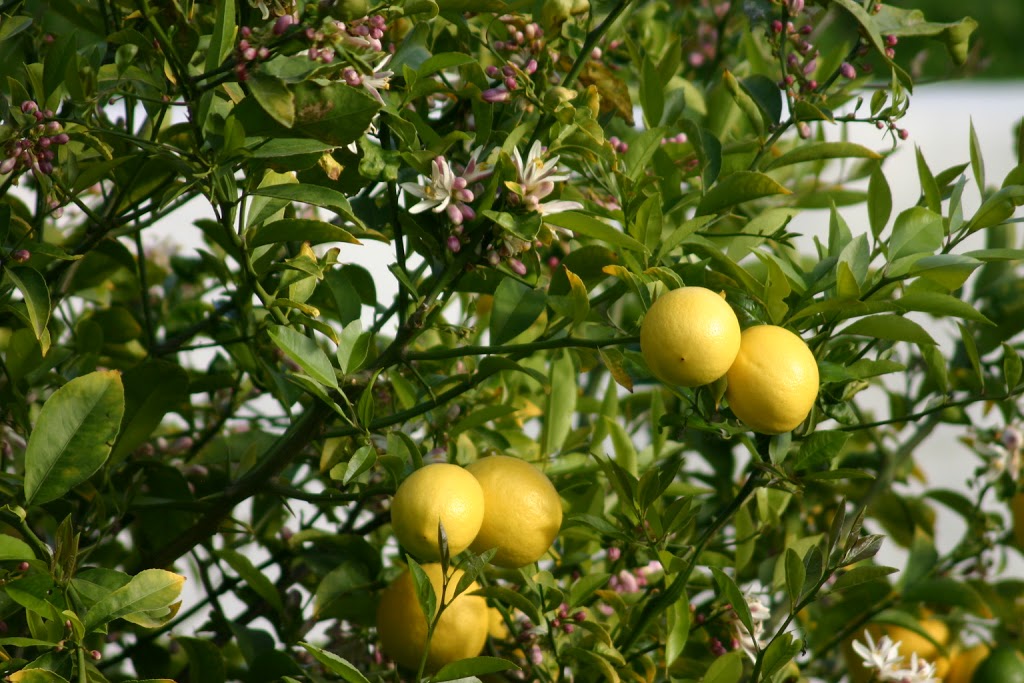 A few weeks ago there was a flush of new leaf growth on my lemon, lime, and orange trees. I love to see it and so, apparently, does an annoying pest: citrus leaf miner. Now I have damaged and distorted looking leaves, so sad. If you have this showing up on your citrus trees, don’t panic, read on to find out about the pest that causes the damage, how it affects your tree, and what to do about it.

Citrus leafminer adult moth.
What is Citrus Leafminer?
Citrus leafminer is a very small moth, only 1/4 inch long. The adults do no damage but lay eggs on the underside of tender young citrus tree leaves. The eggs hatch about a week later and the larvae begin feeding on the leaf. The larvae continue to grow and feed on the leaf for 2-3 weeks creating serpentine paths of ‘mines’. Then the larvae emerges from the mine as a prepupa and rolls the edge of the leaf over causing curling of the leaf. The pupal stage lasts from 1-3 weeks and then the adult moth emerges.

How does it affect your tree?
Citrus leafminer only attacks young leaves. Mature citrus trees over four years old have a good canopy of mature hardened off leaves and can tolerate damage on their young leaves without affecting growth or fruit production. Younger trees have a higher proportion of young tender leaves and their growth can be affected by heavy infestations, but they rarely die.

What to do about it?
Actually, it’s best to let nature take its course. Naturally occurring parasites and tiny wasps feed on the leafminer larvae. Spraying broad spectrum pesticides can kill these beneficial predators. Since mature trees are not affected much by the damage, it’s best not to use pesticides. Fertilize trees in late winter and spring rather than summer and fall to limit new flushes of growth when leafminer populations are high. Only prune trees once a year (citrus doesn’t usually need much pruning), again to avoid stimulating too much new growth. You can leave the damaged leaves on the tree, as the undamaged part of the leaf continues making food for the tree.
Note there are pheromone traps for citrus leaf miner, but they often don’t attract enough of them to control the population (the lure only attracts the males). If you have a young tree that has high populations of citrus leaf miner that you fear are harming the growth of the tree, there are pesticides like spinosad and imadacloprid which have some effectiveness against the pest. Visit the University of California’s Integrated Pest Management website for more information on citrus leaf miner and pesticide use to control them.
For more information on caring for citrus trees, see my post Five Simple Steps For Citrus Tree Care
Nice blog here! Additionally your website lots up very fast!
What web host are you the use of? Can I get your affiliate hyperlink to your host?
I wish my web site loaded up as quickly as yours
lol