It’s Time to Plant Tomatoes!

Did you know 9 out 10 gardeners grow tomatoes?! I’m not at all surprised, is there anything that tastes better than a tomato picked from your own garden still warm from the sun?! In our southern California gardens March and April are prime months for planting tomatoes. The only trouble is, there are so many varieties to choose from, over 10,000! Here’s the low down on types of tomatoes, some recommended varieties, and tips on successfully growing tomatoes!
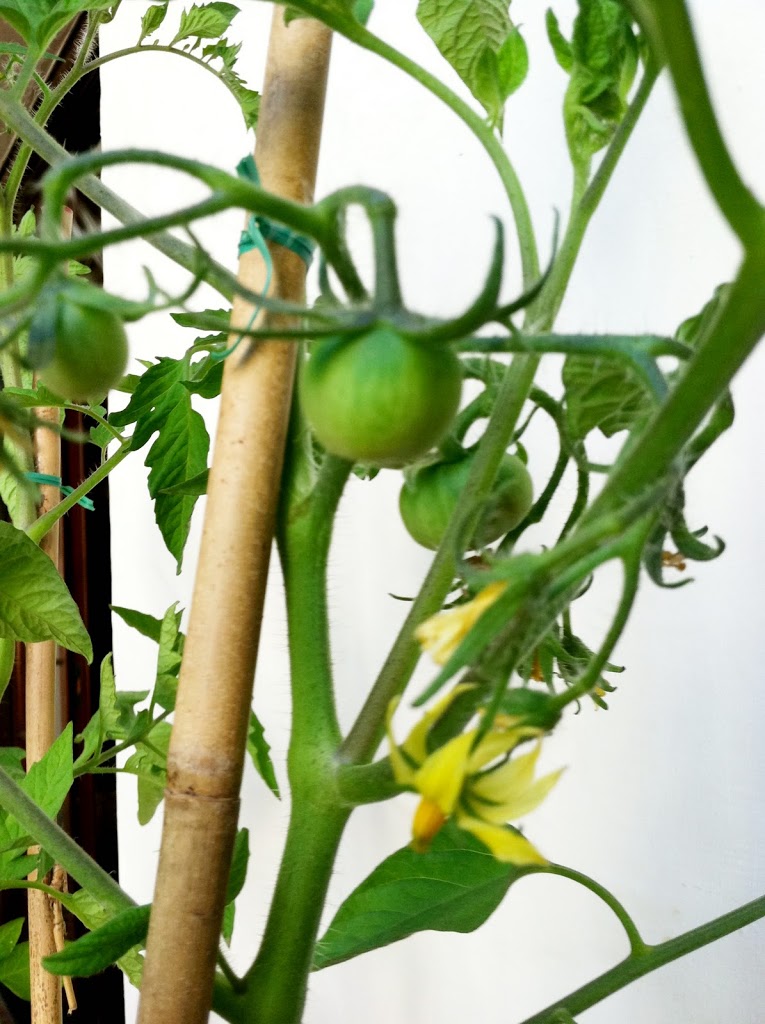
What is a Tomato?
Silly question! We all know what a tomato is….it’s a vegetable, no wait, it’s a fruit….hmmm! Botanically speaking, a tomato is a fruit because it is the part of the plant (the ripened ovary) that contains the seeds for the next generation. But in the late 1800’s, the Supreme Court ruled that tomatoes are vegetables! So whichever answer you picked, you’re right!
Tomatoes belong to the ‘solanaceae’ or ‘nightshade’ family of plants, the same as potatoes, peppers and eggplant. They are a perennial plant (last for more than one season) in frost free areas but are used as annual plants in most areas. This year due to a warm winter, I have tomatoes from last summer that are still going. I will pull them out once my new plants start producing because they never seem to be as vigorous the second year.

Types of Tomatoes
Tomatoes are either ‘determinate’ or ‘indeterminate’. ‘Determinate’ tomato plants grow to a certain height, then blossom and set fruit in a relatively short period of time and, therefore, their harvest is over a short period. ‘Roma’ tomatoes are an example of determinate tomatoes. Because most of the fruit matures at one time, they provide large enough harvests for making tomato sauce.
‘Indeterminate’ tomato plants continue to grow throughout the growing season, getting taller and taller and setting fruit throughout the season. These plants are great if you want to have tomatoes all summer and sometimes into fall. They usually are taller than determinate plants and need tall staking systems.
Heirloom Tomatoes
What is an ‘heirloom’ tomato? Generally, heirlooms are open pollinated tomato varieties that were in existence prior to 1940. Heirloom tomatoes have received a lot of attention in recent years because many are thought to have a more superior taste than many of the hybridized tomatoes. The drawback is that many heirlooms are more susceptible to disease. If you want to try heirlooms, and there are many delicious ones, my recommendation is to plant some disease resistant hybrid tomatoes as well. That way if the heirlooms succumb to disease, you’ll still have home grown tomatoes!
Favorite heirlooms to try: Brandywine (indeterminate), Green Zebra (indeterminate), German Pink (indeterminate), Roma (determinate)
Hybrid Tomatoes
Hybrid tomatoes are a cross between two varieties of tomato to get the best characteristics of each parent variety. Hybrid tomatoes are more disease resistant, usually have higher yields, more consistent quality of fruit, and store longer. The complaint about hybrids is that they do not have the intense flavor of the heirloom varieties. But, in my experience, there are some great tasting hybrids out there.
Favorite hybrids to try: Big Beef (indeterminate), Early Girl (indeterminate), Sun Gold (indeterminate), Better Boy (indeterminate), Celebrity (determinate)
Patio Tomatoes
This is more of a marketing category used to inform gardeners who grow tomatoes in containers or small spaces about tomato plants that are smaller in size. Usually these are determinate tomatoes, because as discussed above, determinates grow to a certain height and then stop growing taller and put their energy into setting fruit. They’ll usually have the word ‘patio’ or ‘bush’ in their name, such as Patio Princess or Better Bush.

Grafted Tomatoes
In recent years there has been a new offering of already started tomato plants: the grafted tomato. This is a plant that is a combination of two separate plants: one plant provides a disease resistant root stock and another plant provides a superior fruit bearing part of the plant. Why choose grafted tomatoes? When a very flavorful heirloom tomato is grafted onto a disease resistant root stock, you get a more vigorous, disease resistant plant with the flavor of the heirloom fruit. They are quite a bit more expensive than seed grown tomato plants because the grafting process is tricky and time consuming.

Concrete reinforcing wire and posts make a space saving trellis for tomatoes on one edge of a raised bed.
How to Grow Tomatoes
- Sunlight – Choose a spot that gets at least 6 hours of sunlight. Note that the larger tomatoes need even more sun, 8-10 hours is better.
- Soil – Tomatoes grow in most soils as long as there is good drainage. Prepare a hole twice the size of the tomato container and 1 1/2 times as deep. Mix compost and fertilizer into the excavated soil.
- Plant – Remove plant from container, loosen the roots and remove the lower leaves. Place the plant in the center of the hole, the root ball will be below soil level. Tomatoes are planted ‘deep’ because where you removed the leaves the plant will send out additional roots leading to a more vigorous plant. Back fill the hole with the amended soil.
- Trellis – At the time of planting, choose a trellis or staking system. Tomatoes grow fast so do it when you plant them or they’ll start falling over. There are several ways to keep tomatoes upright. 1. Use an 8′-10′ stake, tie the plant to the stake as it grows. 2. Use tomato cages. This is not my favorite as the tomatoes always seem to outgrow them and flop over. If you use them, get the largest ones you can find. 3. Use a length of concrete reinforcing wire. This can be formed into a cylinder 2′ or 3′ wide and put around the plant, held in place by zip tying to a 6′ stake in the ground. Or leave the wire flat and tie the ends to poles sunk in the soil. Tie the plant to this trellis as it grows. This is my personal favorite because the plants take up less space this way in my raised beds (see photo).
- Water – Tomatoes need consistent and uniform water. How much and how often depends on how hot it is. Drip irrigation or soaker hoses are better than overhead spray so that the foliage stays dry. Wet foliage can lead to fungal disease.
- Mulch – To help provide consistent moisture, apply a 3-4 inch layer of compost as a mulch on top of the soil around the plants after planting. Keep mulch a few inches away from the stem of the plant. The mulch will help keep moisture in the soil, moderate the soil temperature, and best of all, keep the weeds down.
- Fertilize – Add organic fertilizer when planting. Fertilize again when blossoms appear and every 4 weeks thereafter, following package instructions.
- Pest and Disease Control – Tomato hornworms are the most bothersome pests. You can hand pick them or use Bt, an organic caterpillar pesticide, to control them (always follow package instructions and wear protective clothing). The best control for disease is to prevent it by spacing the plants properly (read plant tags or seed packets for the variety you plant), and irrigating without wetting the foliage. For more details on pest and disease control, you can’t beat the University of California’s Integrated Pest Management website.
- Planting in Containers – Tomatoes grow well in containers, but use large pots for best results and only one plant per pot. Choose ‘patio’ varieties if you want the plants to stay somewhat small. All varieties, even the tall indeterminate ones, can be grown in pots, but they need to be staked and may get gangly looking. You’ll need to be diligent about watering and fertilizing since containers dry out and nutrients will wash away due to frequent watering. I like smaller fruit varieties like the cherry types for tomatoes in containers.
- Upside Down Grow Bags – Not my personal favorite, they don’t hold enough soil and dry out too fast for me. If you decide to try them, smaller fruited tomatoes are better since the weight of a large tomato could cause the vine to break when it is hanging without the support of a trellis.

Hold a neighborhood tomato tasting party!
My biggest challenge with tomatoes has been hungry squirrels. Any suggestions on how to keep them away?